
Every potatohas a hometown.
About Shasta Seed
People throw the word sustainability around. For us at Shasta Seed it's mostly things farmers have cared about for a long time, done on purpose and out loud: rotating crops so the soil gets a break, keeping ground covered through the off-season, giving fields the nutrients they need and no more, and paying attention to the wetlands and wildlife that share the Basin with us. We're working to have those practices independently verified because we'd rather show it than say it. And we're just as intentional about our team. A modern farm needs agronomists, mechanics, data people, truck drivers, and managers, and we'd rather grow those people here than hire them away from somewhere else. Whether you're buying seed, looking for a career, or just curious who grew your food, we're glad you found us.
Our approach to stewardship
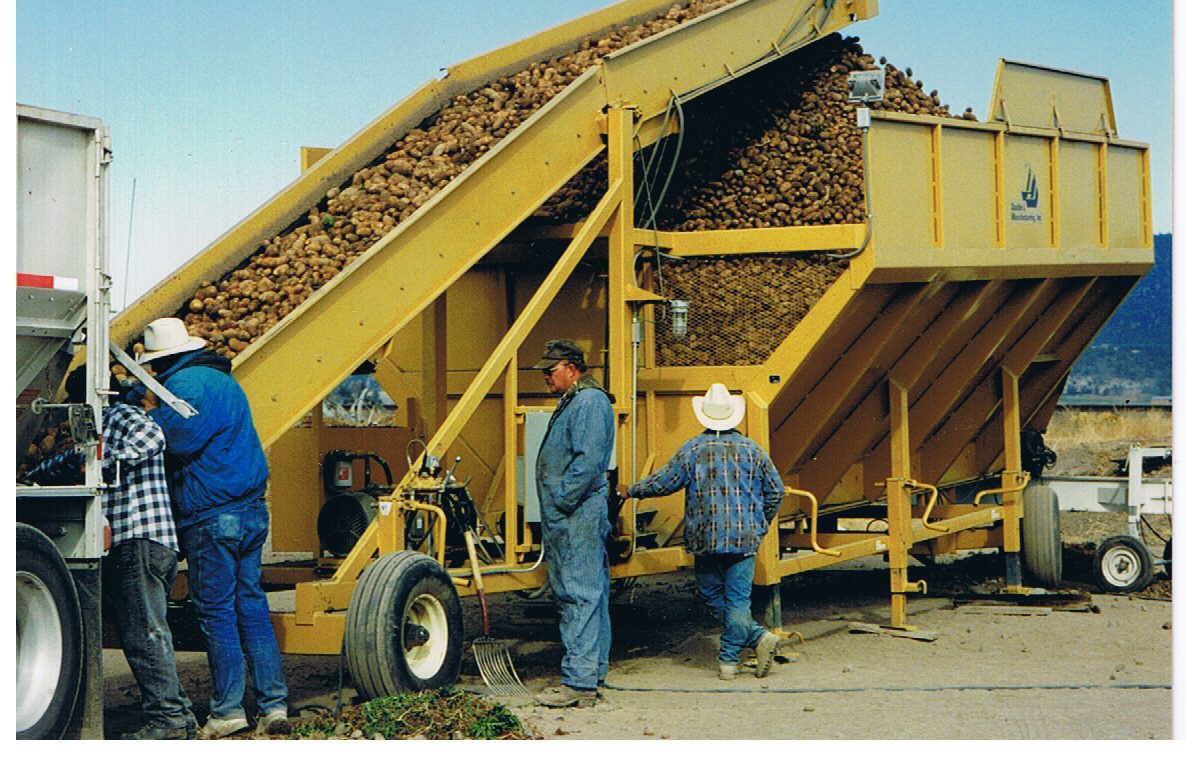
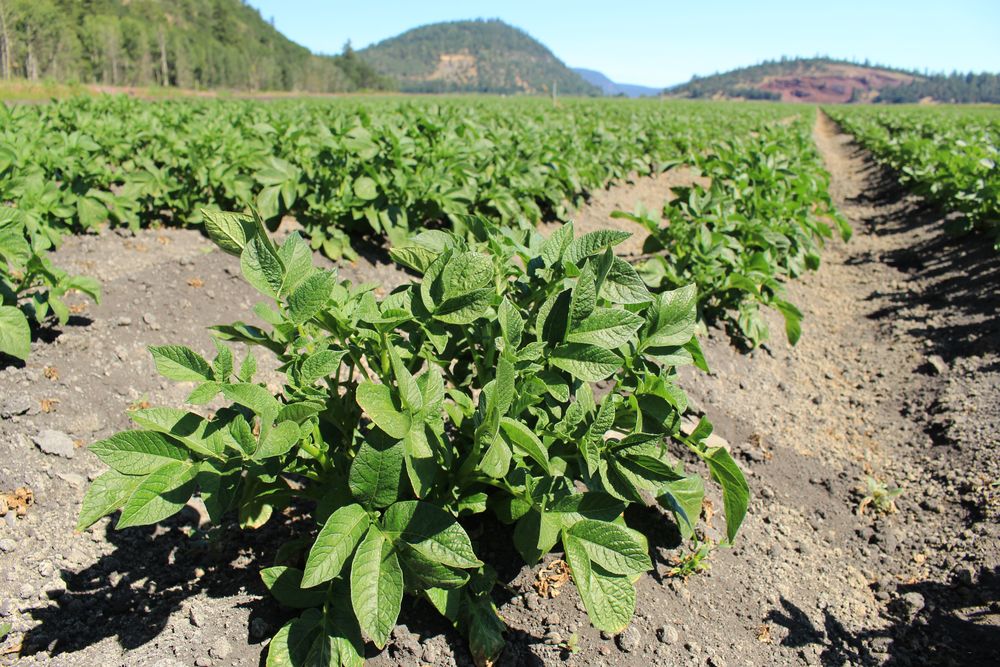
The way we farm is shaped by where we farm. Our fields sit alongside the wetlands and wildlife of the Basin, and that keeps stewardship practical rather than abstract: we rotate crops, protect soil structure, and manage nutrients to what each field needs. Just as important are the people doing the work. We train from within, promote from within, and build careers in agriculture. Our operation counts on a team from the Basin and well beyond it, because a farm that wants to be here in another generation has to be a place where people want to stay.
How we farm

Cover Crop
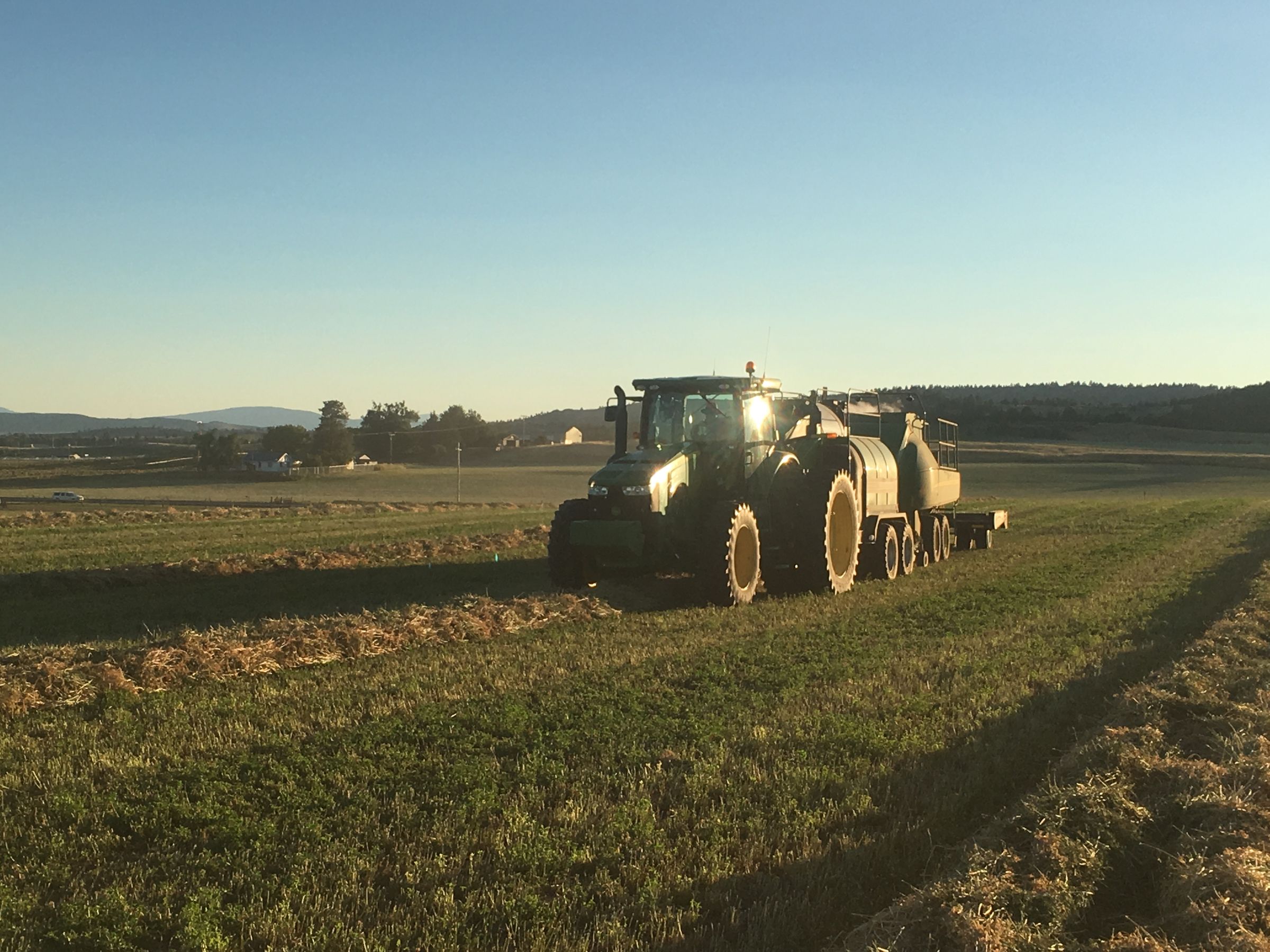
Between potato crops, ground is planted rather than left open. Living roots hold soil against wind and water, keep nutrients where the next crop can reach them, and support beneficial insects. As the cover breaks down it feeds soil biology and adds organic matter before seed goes back in.

Nutrient Management
Fertility on a seed farm is about a healthy, uniform tuber, not maximum tonnage. Each field starts with a soil test and a realistic target, and applications are matched to what the crop needs when it needs it. That keeps inputs efficient and keeps excess out of the Basin's water.

Conservation Crop Rotation
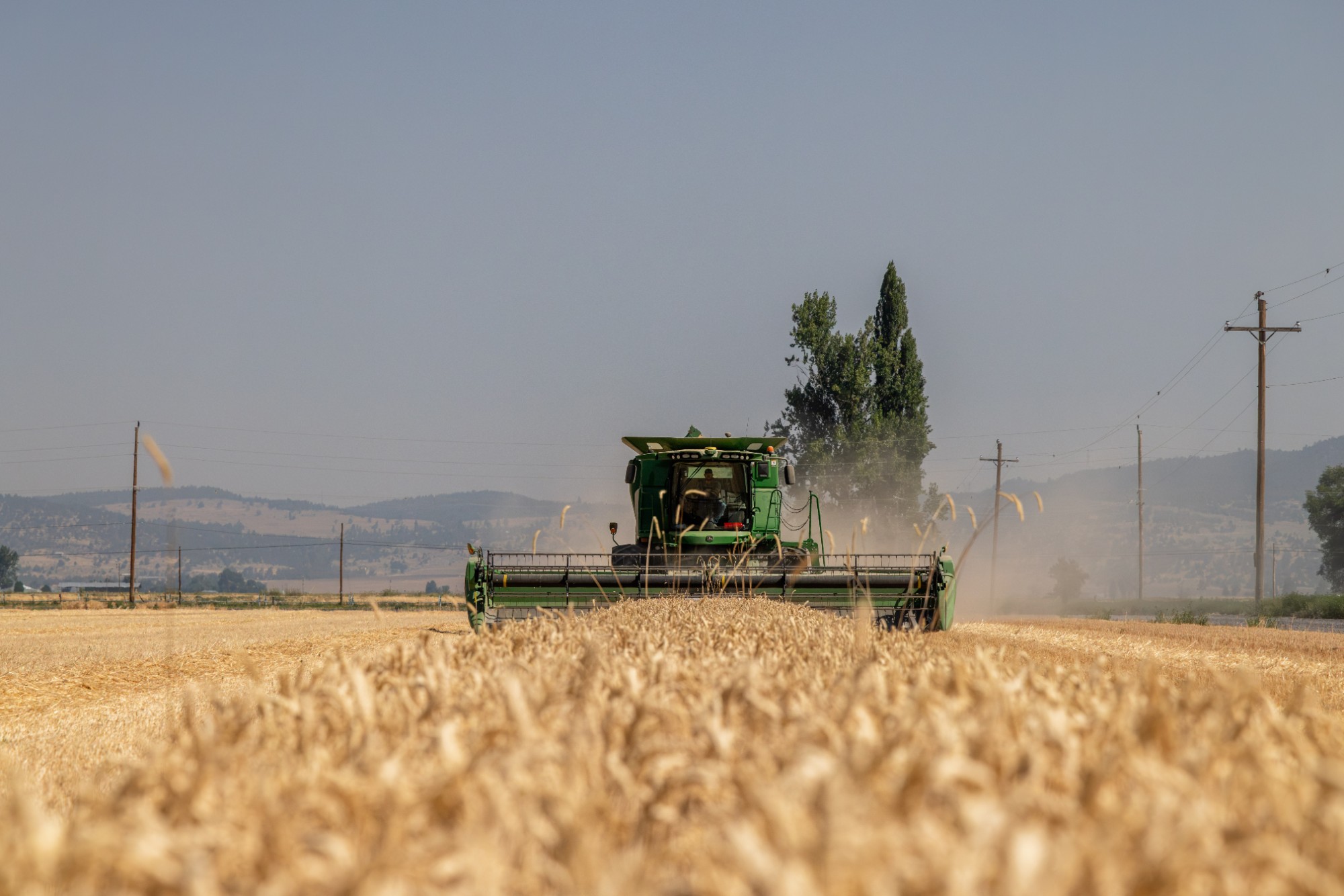
Seed potatoes return to a field only after several years in grain, hay, or other crops. The break starves the pest and disease pressure that builds up under a single crop, and each rotation crop gives back some of what the last one used, building organic matter and stronger seed over time.